
Key Points
- A circular economy for IT departments replaces the “take, make, dispose” model with continuous reuse, refurbishment, resale, and recycling of IT assets.
- Industry research shows that 80% of hardware vendors’ product portfolios will include circular initiatives by 2030 and that implementing a circular economy results in up to 50% gains in operational efficiency and costs.
- Sustainable procurement, prioritizing durable, upgradable, energy-efficient devices and vendors with take-back programs, is the foundation of circular IT asset lifecycle management.
- Preventive maintenance and detailed asset inventories extend device lifespan, cut energy costs, and reduce unplanned replacements.
- Reselling and responsibly recycling retired IT equipment recovers costs, generates revenue from recovered materials, and improves sustainability and brand reputation.
- Extending asset lifecycles reduces demand for new resources and lowers the environmental footprint of IT operations while cutting long-term costs.
Building a circular economy for IT departments is a forward-thinking strategy that addresses environmental concerns while improving operational efficiency. As the world shifts towards more sustainable practices, Gartner predicts that by 2030, 80% of hardware vendors’ product portfolios will include circular initiatives, which is up from 20% in 2023.
Turn IT asset complexities into a single source of truth with NinjaOne.
What is a circular economy for IT departments?
A circular economy for IT moves away from the traditional linear model of “take, make, dispose” and instead emphasizes the continuous use and reuse of resources. In a linear economy, IT assets are often used until they are outdated or no longer functional, at which point they are discarded. This process not only creates waste but also leads to the loss of valuable materials and energy.
In contrast, a circular economy for IT involves IT teams carefully planning their IT asset lifecycle management, from procurement and maintenance to refurbishment and recycling. By adopting a circular approach, you can reduce the environmental impact of your IT operations and make better use of the resources you have.
How do businesses implement circular economy practices?
Businesses put circular IT into practice by managing assets deliberately at every stage of their lifecycle rather than treating disposal as the default outcome. This includes procuring equipment built for durability and upgradability, proactively maintaining it to extend its useful life, reselling or repurposing it once it no longer serves its original role, and recycling it responsibly when no further use is possible.
Getting started doesn’t require an overhaul. Most organizations begin by auditing their current IT asset inventory to understand what they own and its condition, then build policies for procurement, maintenance, and end-of-life decisions.
Effective asset lifecycle management
IDC research shows that incorporating circularity can improve brand reputation by 45% and enhance both operational and cost-efficiency by 50%.
Here are some additional ways to achieve effective IT asset lifecycle management:
Planning and procurement
The first step in building a circular IT environment is to carefully plan and procure assets with longevity in mind. When selecting new IT equipment, consider factors such as durability, upgradability, and energy efficiency. Choosing devices that can be easily upgraded or repaired can significantly extend their useful life and reduce the need for frequent replacements.
It’s also important to work with vendors who share your commitment to sustainability. Look for suppliers who offer take-back programs or who use recycled materials in their products. By making thoughtful purchasing decisions, you can align your IT assets with your organization’s sustainability goals from the start.
Maintenance strategies
Once IT assets are in use, regular maintenance is key to extending their lifecycle. Implementing a proactive maintenance schedule helps to prevent issues before they arise, keeping your equipment running smoothly for longer. This can include regular software updates, hardware checks, and the replacement of worn-out components.
Preventive maintenance not only extends the life of your IT assets but also keeps them operating efficiently, which leads to energy savings and reduced operational costs. Additionally, maintaining a detailed inventory of your IT assets allows you to track their condition and plan for future upgrades or replacements.
Extending asset lifecycles
Extending the lifecycle of IT assets is a core principle of the circular economy. By keeping devices in use for as long as possible, you reduce the demand for new resources and minimize waste.
Device refurbishment and upgrades
Refurbishment and upgrades are effective ways to extend the life of your IT equipment. Refurbishing involves restoring used or outdated devices to a like-new condition, often by replacing or repairing components. Upgrading, on the other hand, adds new hardware or software to existing devices to enhance their performance.
Both refurbishment and upgrades allow you to get more use out of your IT assets, delaying the need for new purchases and reducing the environmental impact associated with manufacturing new equipment. These practices are particularly valuable for organizations looking to balance sustainability with budget constraints.
Best practices for extending use
To maximize the lifespan of your IT assets, it’s important to adopt practices that encourage long-term use. Here are some best practices to improve your asset lifecycle management strategy:
- Regular maintenance: Schedule and perform regular maintenance to keep equipment in optimal condition and prevent issues that could shorten its lifespan.
- Careful handling and proper storage: Handle devices carefully and store them properly to avoid unnecessary damage and wear.
- Educate your team: Provide training on proper device usage to prevent wear and tear, which helps extend the life of your IT assets.
- Repurpose within your organization: Reassign older devices to less demanding tasks, such as administrative work, to continue using them effectively and maximize their value.
Device resale opportunities
When IT assets reach the end of their useful life within your organization, device resale can be an effective way to extend their lifecycle and recover some of their value.
Marketplaces and platforms
There are numerous marketplaces and platforms available for selling used IT equipment. These platforms connect sellers with buyers looking for affordable, refurbished devices. By selling your used equipment, you not only give these devices a second life but also generate revenue that can be reinvested in your IT infrastructure.
When selling used IT equipment, it’s important to ensure that all data is securely erased and that the devices are in good working condition. Providing detailed information about the equipment’s condition and specifications can help attract buyers.
Maximizing resale value
To get the best possible return on your used IT assets, consider taking steps to maximize their resale value. This includes keeping the original packaging and accessories, maintaining detailed records of the equipment’s history, and performing any necessary repairs or upgrades before selling.
Timing is also important when it comes to resale. Selling devices while they are still relatively current and in demand can help you get a higher price. Additionally, working with reputable resellers or auction platforms can reach a broad audience of potential buyers.
Responsible device recycling
Even with the best maintenance and refurbishment practices, there comes a time when IT assets are no longer usable. At this point, responsible device recycling is essential to ensure that valuable materials are recovered and that waste is minimized.
Recycling programs and partners
Many IT manufacturers and third-party organizations offer recycling programs that allow you to dispose of old equipment. These programs often include the safe disposal of hazardous materials, the recovery of valuable components, and the recycling of metals and plastics.
When choosing a recycling partner, it’s important to select one that follows industry best practices and complies with all relevant environmental regulations. Working with certified recyclers ensures that your IT assets are handled to minimize environmental impact and maximize material recovery.
Build a sustainable IT strategy on top of a single, unified IT operations platform.
Environmental and economic benefits
Recycling IT assets offers both environmental and economic benefits. These benefits include:
- Reduces waste: Recycling IT assets reduces the amount of waste that ends up in landfills, helping to preserve the environment.
- Lowers the need for raw materials: Recycling reduces the need to extract them, which in turn lowers greenhouse gas emissions.
- Cut down disposal costs: Recycling can lower the costs associated with disposing of IT assets.
- Generates revenue: In some cases, recycling can generate revenue from the sale of recovered materials.
- Supports sustainability: Incorporating recycling into your IT strategy contributes to a more sustainable future and demonstrates a commitment to responsible resource management.
- Enhances brand reputation: Recycling can enhance your brand’s reputation and meet the expectations of stakeholders who prioritize sustainability.
Leveraging ITAM to build a circular economy for IT departments
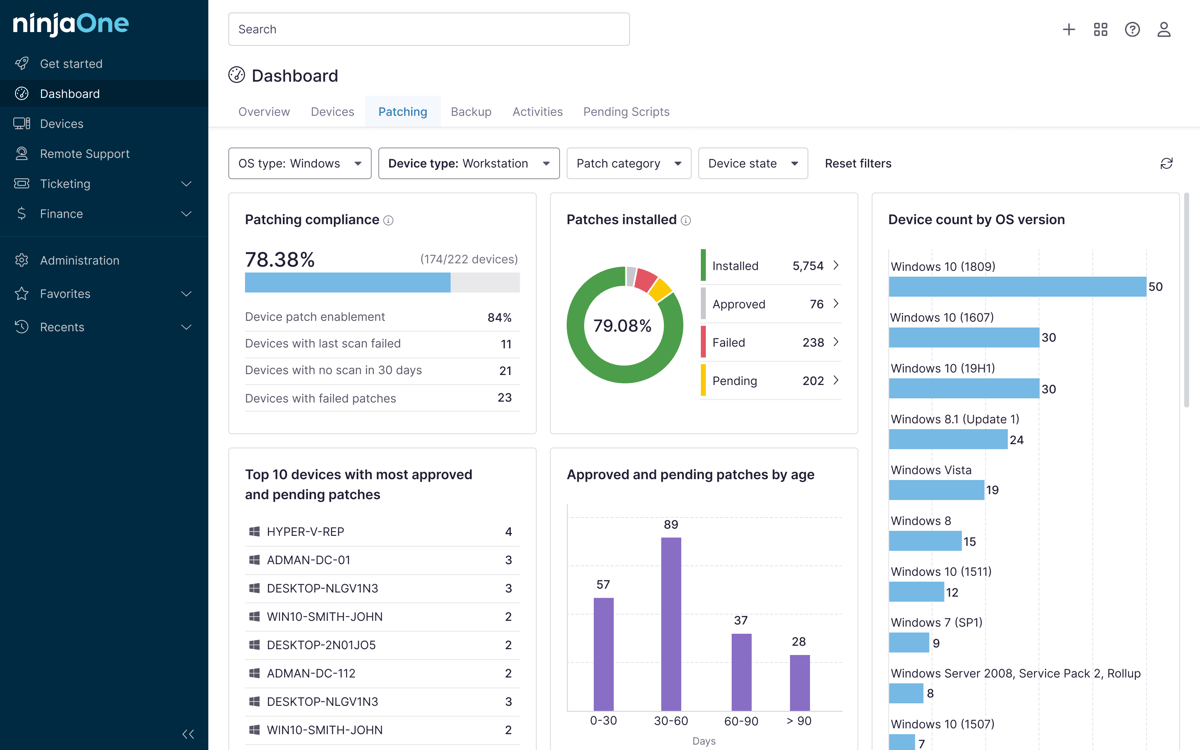
Implementing a circular economy for your IT department lowers hardware costs, reduces waste, improves compliance, and keeps hardware and software in use longer. To achieve these benefits, your IT team needs full visibility into which IT assets you have, where they are, and their condition. NinjaOne IT Asset Management (ITAM) gives IT teams that visibility by providing a real-time, unified inventory of all managed and in-managed hardware and software, so IT asset lifecycle decisions are based on current data.
Start your free trial of NinjaOne today and see how a centralized ITAM solution can transform your IT operations.