
Key Points
- Modern vulnerability management replaces periodic scans with continuous, real-time detection, because scan-driven models leave endpoints exposed between cycles.
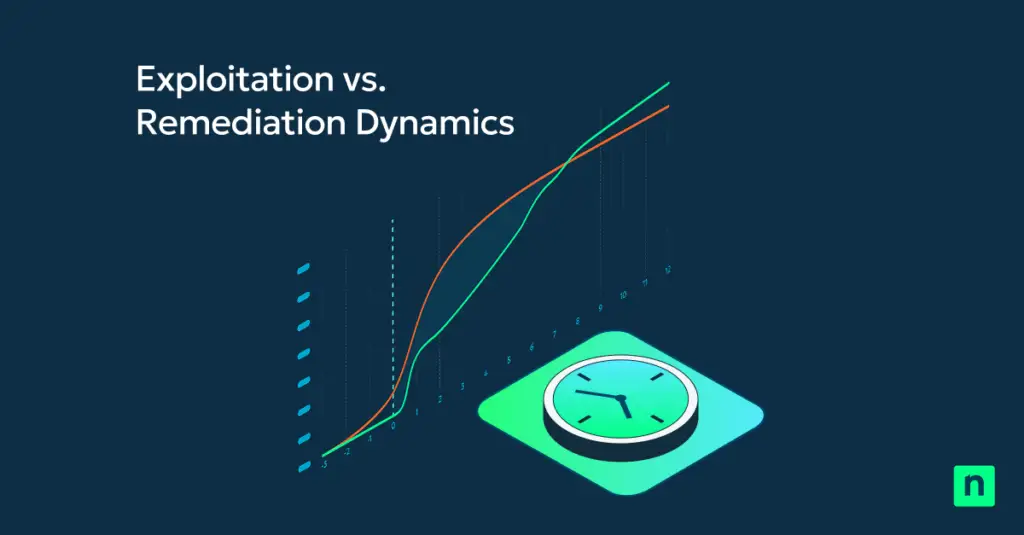
- The operational exposure gap, the time between vulnerability disclosure and effective remediation, leaves organizations at risk while teams work to address known vulnerabilities.
- Real-Time Assessment uses AI to identify up to 90 percent of software-related CVEs within minutes of a software installation or configuration change.
- Linking detection directly to automated patching in one platform cuts remediation from days or weeks to minutes and removes manual handoffs between security and IT.
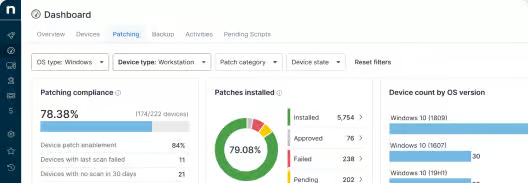
- Patch Intelligence AI pauses risky patches and applies safe ones under policy, so teams remediate faster without destabilizing endpoints.
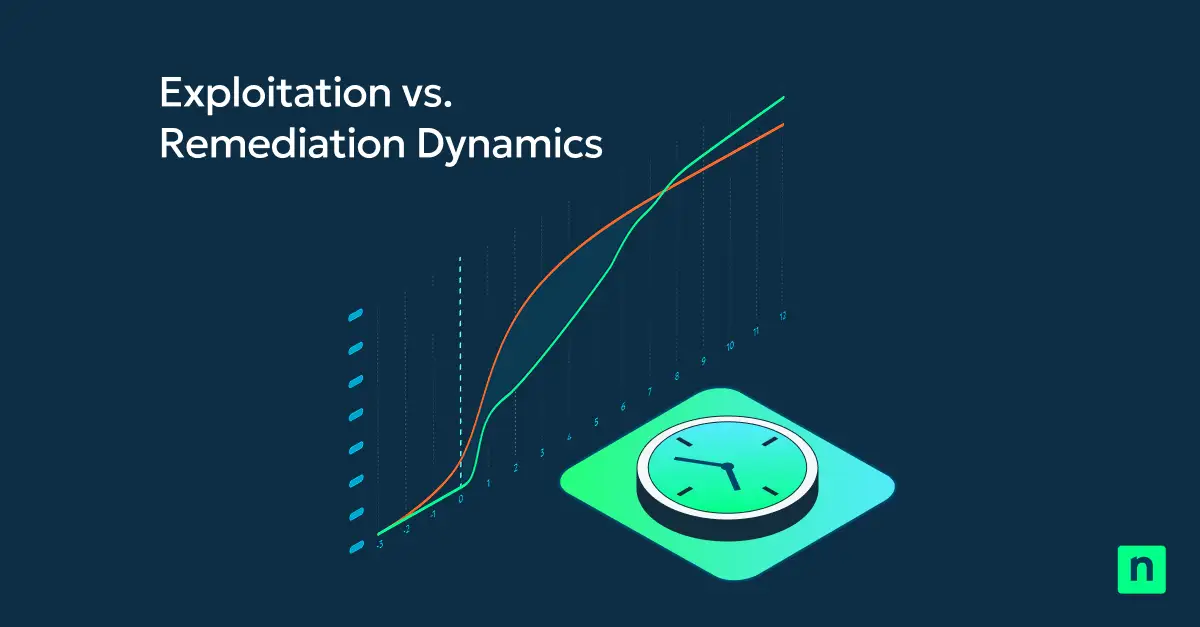
By the time a patch is released, a vulnerability is likely already being actively exploited. The vulnerability is originally introduced in code, and the exploit may already be days, weeks, or even months old. Delays in applying a fix can extend this operational exposure gap, leaving organizations at risk for far too long.
Response times are often slowed by scheduled scan windows, manual handoffs between SecOps and IT Ops, and disconnected workflows. The time between vulnerability disclosure and effective remediation creates the operational exposure gap.
Detect and patch vulnerabilities through one integrated platform
Why scan-driven vulnerability management falls short
Scan-driven vulnerability management wasn’t built for today’s dynamic threat landscape. It relies on periodic, resource-intensive scans that deliver point-in-time results in a real-time threat environment. As the sheer volume of CVEs increases year after year, traditional models cannot keep pace.
Scan-based vulnerability detection creates predictable friction:
- Delayed visibility
- Outdated report data
- Extended exposure windows
- Slow or complex handoffs between Security and IT
Vulnerability management must evolve. Detection and remediation should be more tightly connected, so vulnerabilities can be addressed immediately instead of waiting for the next scan cycle.
NinjaOne is changing the game
NinjaOne Vulnerability Management with Real-Time Assessment shifts vulnerability detection from a periodic, scheduled event to a continuous, risk-aware process. We didn’t create a “better” scanner. In fact, NinjaOne removes scanning from the vulnerability management process entirely. AI correlates live endpoint software telemetry with current CVE intelligence without scheduled scans, agent spikes, or endpoint performance impact.
NinjaOne Real-Time Assessment can identify up to 90 percent of software-related CVEs within minutes of a software installation or configuration change. AI-powered models map software metadata directly to CVE definitions, delivering nearly instant vulnerability awareness. Your SecOps and IT Ops teams no longer need to manage scan schedules, wait for results, or worry about device slowdowns. This continuous visibility remains aligned to the current state of every endpoint.
We’ve removed scanning from the critical path to remediation, allowing vulnerability risk to trigger remediation. This reduces exposure windows from days or weeks to just minutes. The result is faster remediation through vulnerability management that is continuous, risk-aware, execution-focused, and operationally owned by IT.
Monitor for vulnerabilities without the need for periodic scans.
AI-powered vulnerability management and autonomous remediation
AI plays a critical role in three areas of vulnerability management:
- Software identification across inconsistent endpoint data
- Normalization of software naming and versions
- Real-time correlation of software to CVE intelligence
NinjaOne Vulnerability Management integrates directly with NinjaOne Autonomous Patch Management, enabling vulnerabilities to be remediated immediately within the same platform, without separate tools, exports, or handoffs. This transforms vulnerability management from a siloed security function into a continuous, automated IT workflow that delivers:
- Always-on vulnerability visibility
- Accelerated automated remediation
- Reduced exposure windows
- Continuous remediation tracking
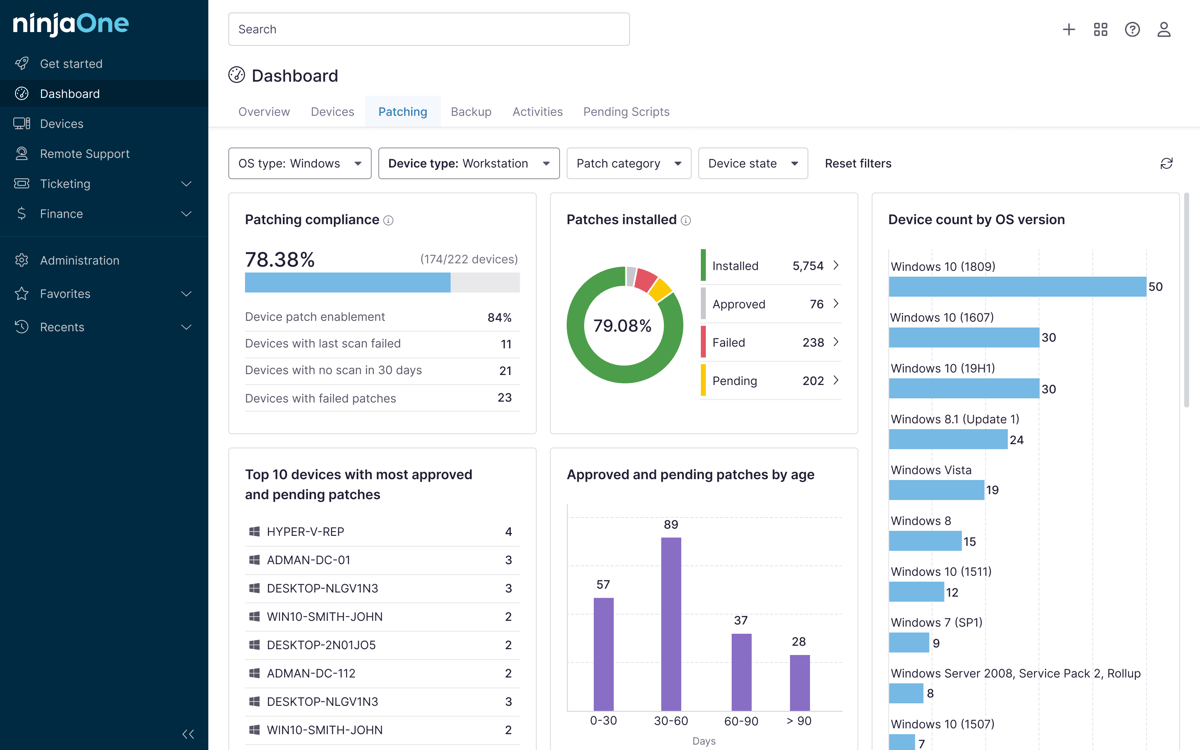
Vulnerability Management is designed to accelerate IT access to vulnerability data. Remediating vulnerabilities relies on NinjaOne Autonomous Patch Management, enhanced with Patch Intelligence AI, which analyzes vendor signals, community telemetry, and real-world deployment outcomes to determine patch safety and risk. Risky OS patches are paused. Safe patches proceed based on defined policies. The result is faster remediation, less operational disruption, and lower risk without destabilizing endpoints.
The future of vulnerability management
The future of vulnerability is continuous, real-time, and execution-driven. It’s critical to acknowledge that by the time you scan, you’re already behind. Also, that detection doesn’t reduce risk; remediation does. Organizations that eliminate scan delays and connect detection directly to remediation will dramatically reduce exposure, shifting the advantage away from attackers.
Learn more: ninjaone.com/vulnerability-management