Key Points
- The core function of MDM is to manage and secure devices, positioning it as a control layer rather than a communication tool.
- Organizations need to decide whether communication should be handled within the MDM platform or within existing collaboration or helpdesk platforms.
- Built-in communication is more relevant for shared or kiosk-style environments where users cannot access standard tools.
- Embedding messaging in MDM introduces governance requirements such as retention policies and monitoring expectations.
- Communication decisions should align with existing support workflows, including how issues are handled and documented.
Mobile Device Management (MDM) has long been a core tool for organizations, focused on device management and security. As IT environments grow more complex, especially with dedicated devices in field or frontline use, some vendors are positioning built-in communication features as an added capability.
In this context, “communication” refers to operational messaging tied to managed devices, such as frontline alerts, supervisor instructions, and shift-based coordination.
This guide walks through how to evaluate whether MDM communication tools are actually needed in your environment.
What Mobile Device Management is designed to do
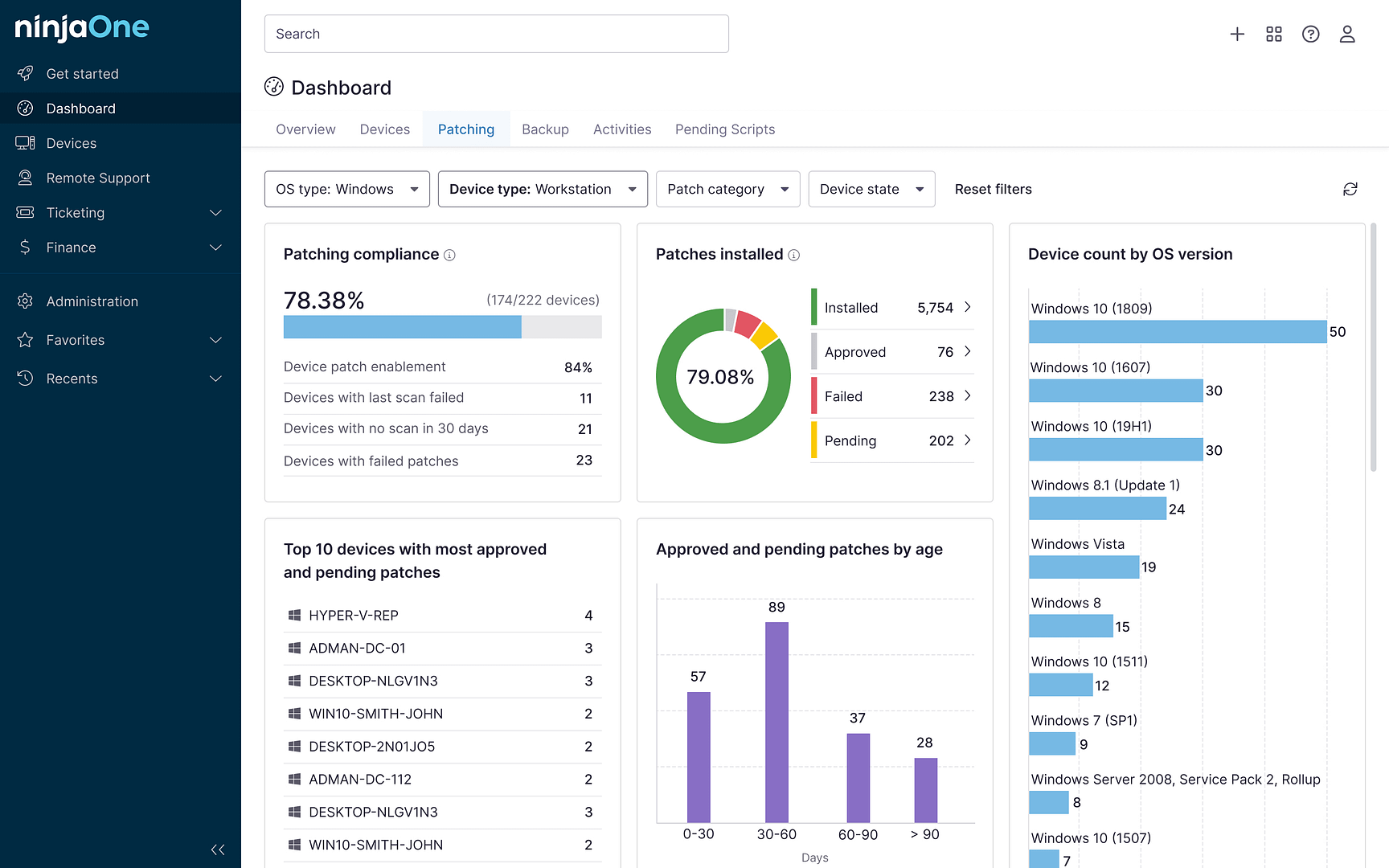
MDM platforms were built to support operational governance. With MDM, IT teams have centralized control over endpoints, making sure each maintains optimal device posture and meets security and compliance standards. An MDM platform is typically responsible for the following:
Device enrollment and provisioning
When a new device is issued to an employee, the MDM onboards it into a managed state so organizational policies can be applied automatically, and the device is configured for operational use.
Policy enforcement and security configuration
Push configuration profiles into devices, including password requirements, encryption standards, restrictions, and access controls, so devices automatically follow organizational security policies.
Application deployment and control
Allow IT teams to install, distribute, update, and remove apps on devices remotely.
Patch and update management
Enforce the latest OS and application updates, as well as security patches, to reduce exposure to known vulnerabilities.
Compliance monitoring and reporting
Monitor whether devices comply with defined security baselines and identify policy violations that may require remediation.
Remote lock, wipe, and reset capabilities
Let IT teams respond immediately when a device is lost, stolen, or compromised.
These functions position MDM as a control layer instead of a collaboration layer, where its success is measured by operational consistency.
Why vendors advocate for built-in communication
The problem with modern device deployments is that they no longer resemble a standard corporate environment. Organizations now operate across a range of scenarios (shared devices, single-purpose endpoints, tightly restricted deployments) that create an operational communication gap. This is why many vendors promote built-in communication suites as part of the MDM platform.
And no, this isn’t Slack or a general-purpose collaboration tool. Vendors advocate for integrating communication directly into MDM to:
Supervisor-to-worker messaging
Enable supervisors to message frontline workers without relying on personal devices or consumer apps outside IT’s control.
Real-time operational alerts
Broadcast operational alerts across a managed device fleet in real time.
Shift-based context handoff
Coordinate shift-based updates where workers rotate across shared devices and require context handoff between sessions.
App replacement on locked-down devices
Provide built-in messaging capabilities on locked-down or kiosk-mode devices where installing third-party software is restricted by policy or network segmentation.
Device-centric communication control
Maintain communication control on single-purpose endpoints where the device identity is the primary management unit, not individual user accounts.
And if you notice, these scenarios are most common in retail, logistics, healthcare, and warehouse operations, where devices are often shared across users and tightly governed.
Where communication traditionally sits in enterprise IT
Before evaluating whether MDM should include communication, it helps to map where communication already lives in a typical enterprise IT stack. Most mature environments distribute responsibilities across distinct layers, and messaging, in most cases, already has a home.
The standard separation looks like this:
| Platform type | Layer | Function |
| Mobile Device Management (MDM) | Device and policy control | Enrollment, policy enforcement, compliance monitoring, and remote management actions |
| Helpdesk platform | User support | Ticketing, incident tracking, and user support workflows |
| Collaboration platform | Team communication | Messaging, file sharing, and team coordination |
| Remote access tool | Remote troubleshooting | Live remote troubleshooting, diagnostics, and support sessions |
This separation keeps governance boundaries clear and makes auditing simpler. It also prevents feature overlap and allows each system to stay optimized for its primary function. That said, not every organization automatically needs an MDM with a built-in communication layer.
Before assuming yours does, ask:
Does messaging require audit trails and retention policies?
If so, check whether your MDM platform actually supports them and whether your existing collaboration tools already do this well.
Does it need to integrate with HR or scheduling systems?
Communication tied to shift and schedules is typically a workflow and operations concern, not a device management one.
Is live remote troubleshooting already covered?
Remote support tools are designed for live sessions, and if that need is already met, MDM messaging is unlikely to add meaningful capability.
Would adding messaging inside MDM duplicate what your collaboration stack already does?
If the answer is yes for most users, the justification for embedded communication becomes much narrower.
When integrated communication can be justified
In some operational environments, integrated communication capabilities within the managed device environment can be a practical response to specific operational constraints. Below are some of the cases where integrated communication may make sense:
- Devices are single-purpose kiosks with no access to external messaging apps and no path to install third-party software.
- The workforce doesn’t have corporate email accounts or persistent user identities.
- Devices are shared across shifts, and user identity changes frequently or doesn’t persist between sessions.
- Communication needs to be tightly scoped to operational messages, with little room for open or informal discussion.
- Network segmentation or security controls restrict access to third-party collaboration platforms.
In these environments, simple messaging features tied to shared managed devices can help streamline operational communication between shifts and workers.
How to evaluate whether built-in MDM communication fits your environment
Rather than asking whether an MDM platform should include communication, the more useful question is whether your organization’s communication requirements are already being met by existing systems. If they do, adding messaging capabilities to the MDM environment may create unnecessary functional overlap.
Work through the following assessment areas to find out:
- Device type and usage pattern
Look at whether devices are company-owned, shared between users, or set up as kiosks, and how that affects how you communicate with users.
- Existing collaboration stack
Check what tools are already used for communication (chat, email, or ticketing), and whether people are actually using them effectively.
- Regulatory environment and audit expectations
Determine whether communication must comply with requirements for message retention, auditing, or regulatory compliance that the MDM platform may not fully support.
- Field workflow dependencies
Understand how users receive instructions and updates, especially in shift-based or distributed setups.
- Support escalation paths and documentation
Look at how issues are reported, escalated, and documented, and whether messaging is part of that process.
Risk and governance considerations
Adding integrated messaging capabilities to a device management platform introduces additional governance, compliance, and operational responsibilities that should be clearly defined from the beginning.
You need to confirm whether messages are retained and can be reviewed when needed, especially for audits or investigations. It’s also important to understand how misuse is handled, along with where the data is stored if regulatory requirements apply.
There is also the risk of overlap and fragmentation. MDM messaging can duplicate existing tools, which splits records and blurs ownership. For managed service providers, this affects support scope and audit accountability, making service delivery harder to manage without clear boundaries.
When integrated communication capabilities with MDM environments actually add value
MDM platforms are designed to manage and secure devices. They’re not meant to replace the collaboration tools teams already rely on.
Messaging within MDM can work in certain environments, such as shared devices or locked-down setups, but in most cases, organizations already have helpdesk or collaboration systems handling communication. Take a step back to review your setup to avoid adding another tool that overlaps with what you already have.
Related topics: