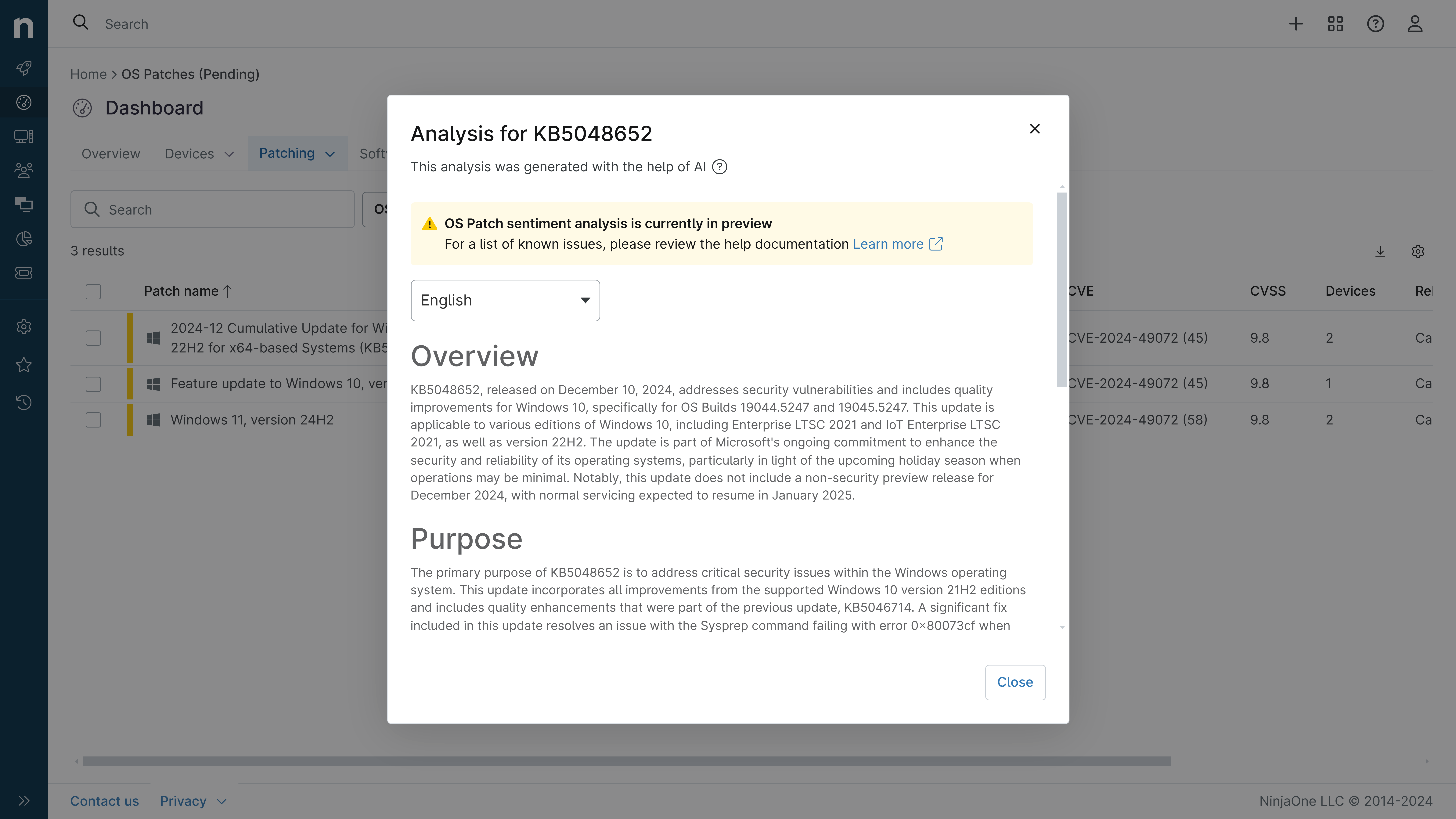
KB5099414: Overview with user sentiment and feedback
Last Updated August 28, 2026
Probability of successful installation and continued operation of the machine
Overview
KB5099414 is the July 14, 2026 cumulative security update for Windows 11 version 23H2 (OS Build 22631.7376). This mandatory Patch Tuesday release addresses 571 security vulnerabilities and includes quality improvements from the previous month's preview release. The update is distributed through Windows Update, Microsoft Update, and WSUS channels for all editions of Windows 11 version 23H2.
General Purpose
- Security Hardening: Addresses 571 security vulnerabilities with enhanced Secure Boot certificate deployment and SHA-2 support for RDP publishers
- Third-Party Application Compatibility: Fixes issues affecting OLE Automation apps interacting with Microsoft Office and resolves File Explorer OneDrive shortcut problems
- Network and Connectivity: Introduces TDI transport registration security requirements; improves networking stack reliability and VPN compatibility
- System Stability: Updates curl tool to version 8.21.0, refines hotkey lifecycle behavior, and improves Recycle Bin file name display accuracy
- Mobile Operator Support: Brings Country and Operator Settings Asset (COSA) profiles up to date for certain carriers
General Sentiment
Community reception appears neutral to positive based on available information. The update addresses critical security vulnerabilities as part of the regular Patch Tuesday cycle, which is generally viewed as necessary maintenance. However, the introduction of TDI transport registration requirements may impact users relying on unregistered third-party transport protocols, potentially causing application compatibility issues. Microsoft has proactively documented these concerns, suggesting awareness of potential friction points.
Known Issues
Disclaimer: We take measures to ensure that AI-generated content is of the highest possible quality, but we cannot guarantee its accuracy and recommend that users do their own independent research. Generated on 2026-08-28 01:32 PM